This website uses cookies to ensure you get the best experience on our website. Read more

Remote Confession: Is It Ever Truly Valid?
 30May
30MayWe are delighted to connect with you once again through the OCC. In this edition, we delve into the existing approaches to the relatively new phenomenon of online confession.
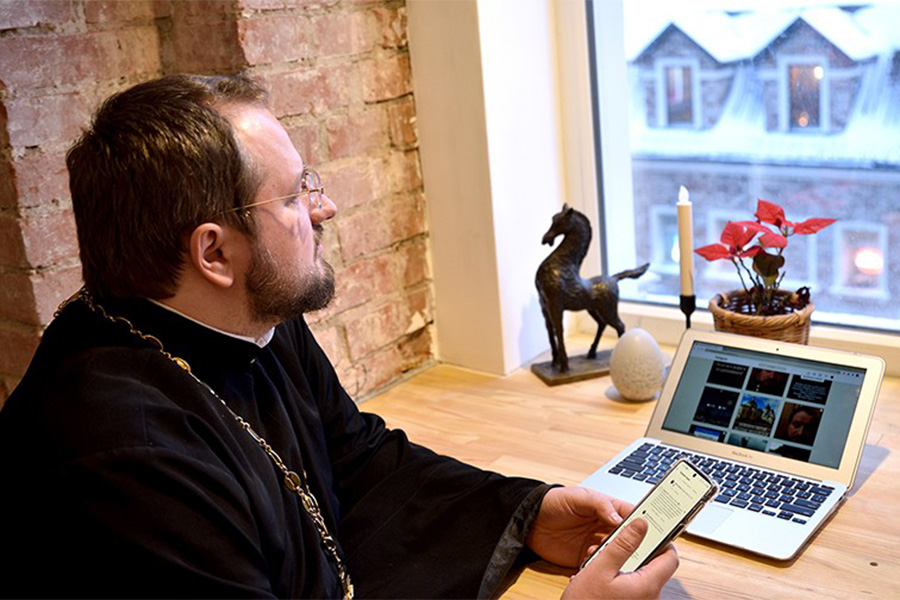
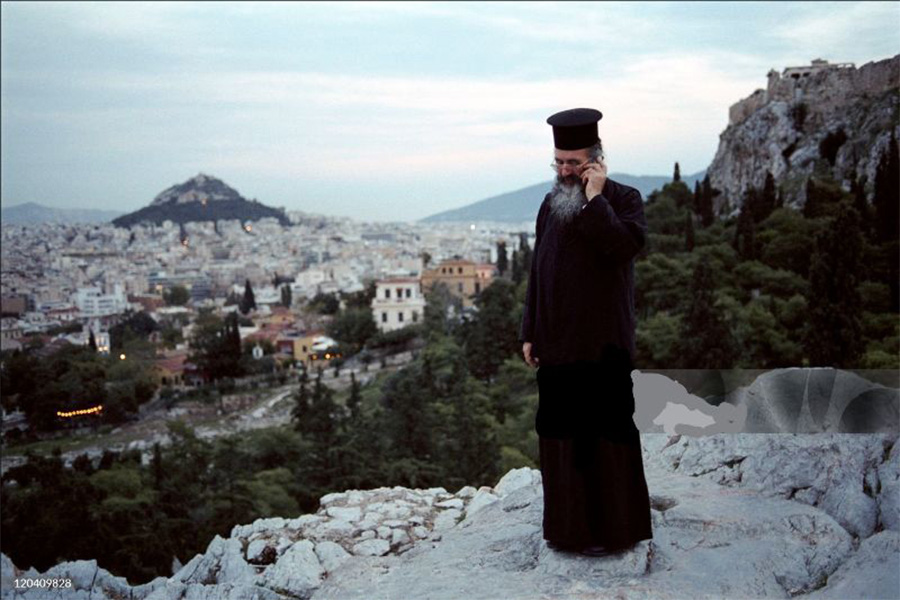
Modern technology, from voice calls to video conferences, allows two people in different parts of the world to both hear and see each other.
❓ But can the Church utilize these technologies for the Sacrament of Confession?
❓ If so, is it permissible always or only on special occasions?
❓ Who decides when it is permissible?
Today, we will outline the main pros and con.
How New is This Practice?
Actually, it's not entirely new. For example, many 19th-century saints, such as Theophan the Recluse and the Optina elders, corresponded with people who confessed their sins and sought spiritual advice. These saints provided consolation and guidance through their letters. In essence, this communication closely resembles what occurs during confession... except for one important detail: these letters do not contain any evidence of absolution prayers being sent by post.
Understanding the Distinction
It is crucial to distinguish between a confessionary conversation and the Sacrament of Repentance. The practice of confessionary conversations over the phone, where parishioners can share their sins, burdens, and seek spiritual advice, does not raise any concerns.
The key question revolves around the prayer of absolution, without which the sacrament cannot be fully realized. As is known, the Lord established the performance of Church Sacraments with personal participation. This has been the practice in the Church since apostolic times for two thousand years.
The Conditions for Remote Confession
The discourse among clergy on platforms like priest.today has highlighted specific circumstances under which remote confession might be considered acceptable, though these are not formally codified within church canons or modern regulations.
The consensus outlines that all the following conditions must be met for remote confession to be deemed permissible:
✅ The person's conscience is burdened with grave sins that require sacramental confession (e.g., fornication or murder);
✅ A face-to-face confession with an Orthodox priest is unfeasible;
✅ There exists an immediate threat to the individual’s life, such as impending life-threatening surgery or wartime conditions, where delaying confession could mean not receiving the sacrament at all.
❗️ Important Note: Once the danger to life has passed (e.g., successful surgery, end of war), the person should come to the priest for a prayer of absolution.
Practical Guidance for Remote Confession
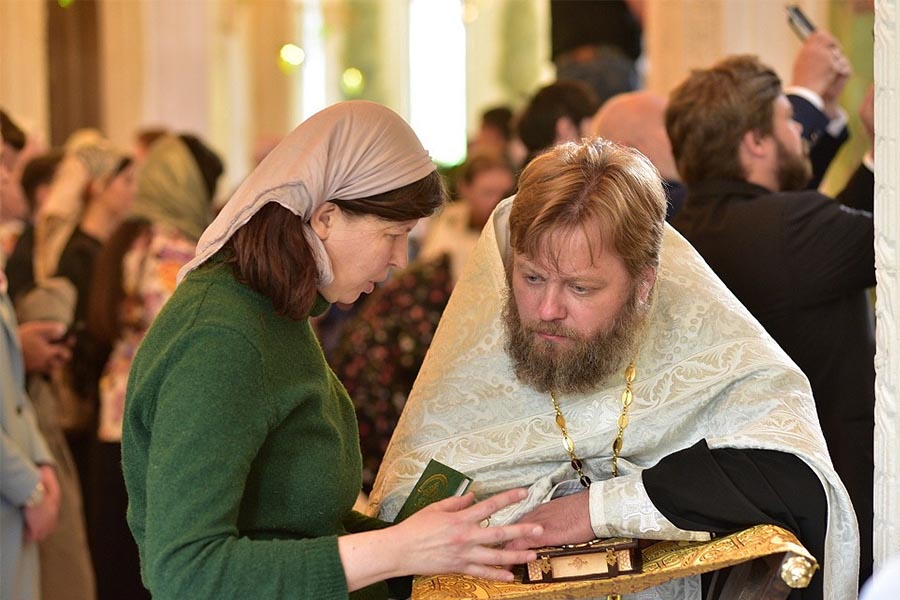
Archpriest Konstantin Ostrovsky of the Moscow diocese offers these guidelines for conducting remote Confession:
➖ The priest should don an epitrachelion, position himself before an icon, and recite the prayers of the "Sequence on Confession" audibly, ensuring the penitent can hear.
➖ The confession should be heard or read clearly, followed by the prayer of Absolution.
➖ It's advisable for the priest and the penitent to have a pre-established relationship of trust to facilitate a sincere and earnest confession.
➖ Both parties should be cognizant of the privacy risks associated with digital communication and take appropriate measures to secure the confidentiality of the sacramental exchange.
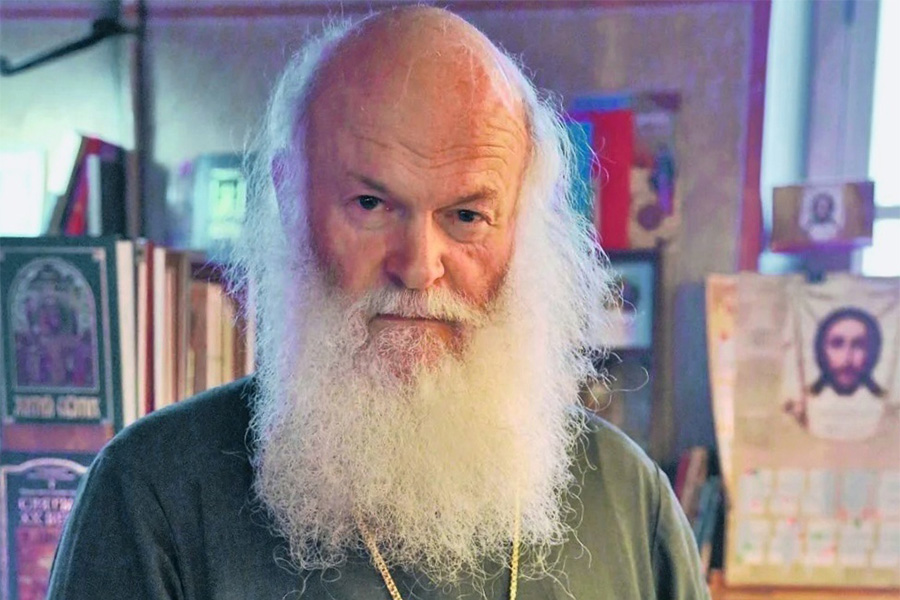
Navigating Through Covid-Challenges
During the spring of 2020, amidst stringent restrictions on church attendance due to the COVID-19, several Local Churches adapted by sanctioning remote confessions to accommodate the faithful under extraordinary circumstances.
For instance, the Orthodox Church in America (OCA) issued guidelines stipulating that if Confession is conducted over the telephone or via live video, the priest must recite the Prayer of Absolution audibly before concluding the call or video session.
In contrast, the Russian Church did not formalize any central directives regarding remote confession during the covid-outbreak. Instead, the practice varied by region, with many parishes in Russia and Belarus opting for general confession as a temporary measure.
Notably, some parishes within the Russian Orthodox Church in Europe adopted the practice of telephonic confession, including the explicit recitation of the prayer of absolution, as was briefly noted by the Strasbourg parish in April 2020.
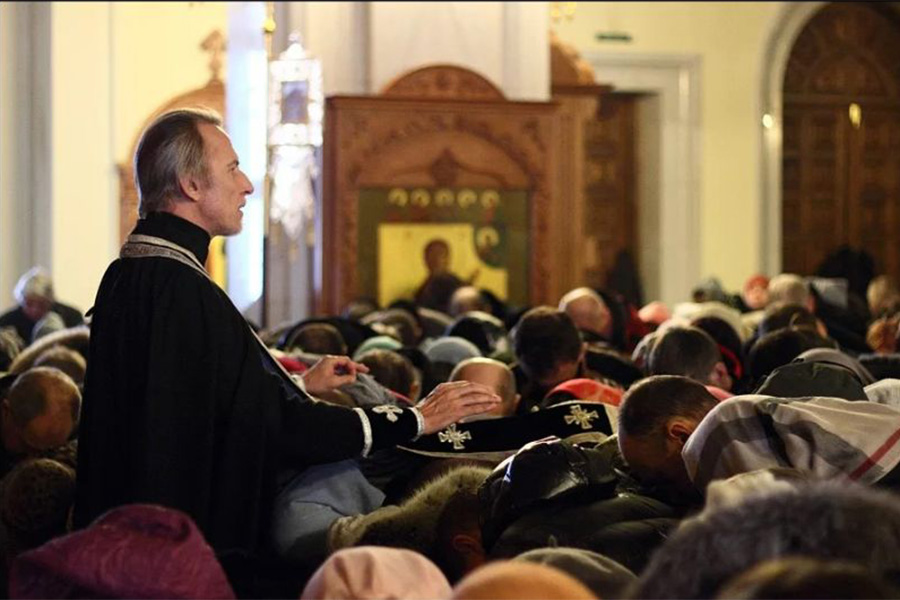
Post-Covid Practices
Interestingly, the practice of general confession, initiated during the restrictions, has persisted in several Russian and Belarusian parishes even years after restrictions were lifted. This method has proven more convenient for many parishioners and clergy, albeit at the potential expense of deeper spiritual engagement.
Closing Thoughts
The perspectives shared in this newsletter reflect a broad spectrum of practices across different jurisdictions.
❗️ Ultimately, the decision to accept or adapt these practices rests with your bishop, guided by the unique needs of your community.
Your Feedback is Valuable
We appreciate your continued engagement with the OCC. Your insights and feedback are crucial to us, and we encourage you to share your thoughts either by replying to this email or through our Facebook group.
❓ We are particularly keen to hear from priests in America and Europe regarding the current practices concerning "remote" confession within your dioceses.
❓ Are there any updated guidelines or documents that have been adopted in response to the evolving situation?
Explore Our Online Catalogue
Lastly, we invite you to explore our online catalogue, which offers an extensive range of clergy essentials, from vestments to church vessels.
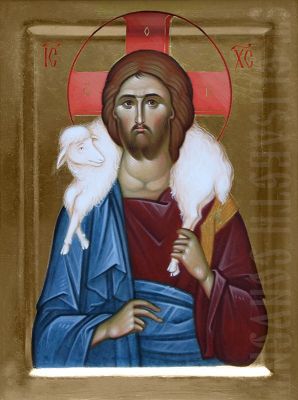
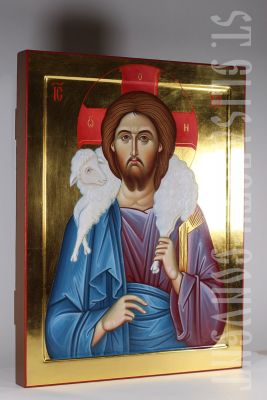
We particularly recommend our collection of painted icons, showcasing the craftsmanship of our icon painters in both Russian and Byzantine styles. For consultations or to place orders, please visit our dedicated section:
We hope our resources support you in your ministry, and we look forward to enhancing your spiritual journey with our offerings.
Related Articles
Related Products
- As low as $750.00
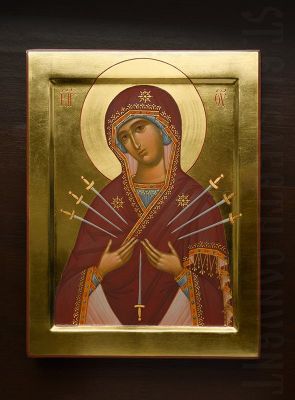
Mother of God of the Seven Arrows Icon
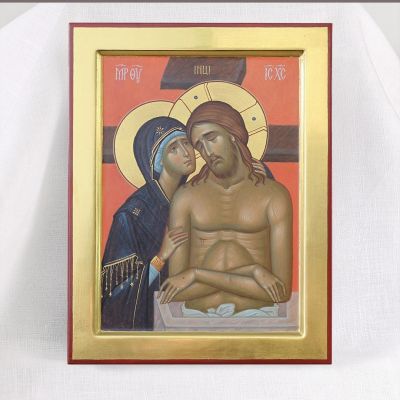
As low as $460.00Painted Weep Not For Me O Mother Icon
As low as $1,425.00Comment(s)




Close
- Someone purchased a
Lestovka Prayer Rope 50 Segments
7 hours ago from Oceanside, USAs low as $23.00 - Someone purchased a
Horologion (The Book of Hours) in Church Slavonic
8 hours ago from New Egypt, US$17.00 - Someone purchased a
Small Gold-Plated Pectoral Cross w/Chain
1 hour ago from Saint Joseph, US$250.00 - Someone purchased a
Medium Triptych with Our Lady of Kazan Icon
7 hours ago from Oceanside, US$16.00