This website uses cookies to ensure you get the best experience on our website. Read more

How to Avoid False Spiritual Fatherhood
 30Dec
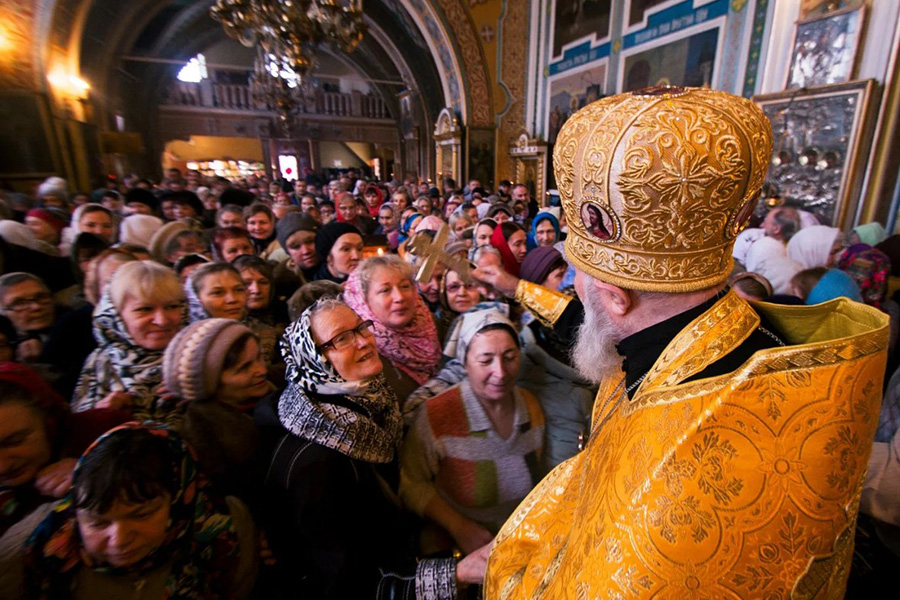
30DecIn today's issue, we continue our translation of the book "Notes on Pastoral Ministry" by Archpriest Konstantin Ostrovsky.
We will carry on with the topic of spiritual guidance, presenting Part 3.
Brothers, not Children
One of the most common pitfalls for new priests—and not just the newcomers—but especially those brimming with zeal and spiritual fervor, is what we call "young elder syndrome."
It’s the temptation to act wise beyond one’s years, to play the discerning elder without the actual gift of discernment. A priest might not know God’s will for someone’s life, yet he imagines he does. Armed with this illusion, he pokes into personal matters, hands out advice no one asked for, pushes people to get his "blessing" for every little thing, demands they follow it, and sometimes even warns of divine wrath if they don’t obey.
For many, this kind of meddling drives them away from the priest—and thank God it does! But others find it appealing, for all sorts of reasons. Before long, a strange little family forms: a charismatic "spiritual father" at the center, ringed by "loyal spiritual children." The idea takes hold that every word from the priest is gold, meant to be seized and obeyed—a grand act of submission, they think.
Real obedience, though, isn’t about bowing to a priest’s whims—it’s about surrendering self-will to God’s will. Does a priest’s opinion always match God’s? When he’s preaching against stealing, adultery, or judging others, sure it does. Teaching God’s commandments is a parish priest’s job, after all. If someone confesses to cheating or thieving, any pastor worth his salt will insist they stop before they can repent and approach the Chalice. That’s clear-cut.
But when it comes to big life choices—marriage or monasticism, seminary or college—a priest should only weigh in if asked. Our role is to help people sort through their spiritual and practical struggles in light of God’s commandments, not to shove unsolicited advice down their throats or force our own views.
If someone trusts me enough to ask my thoughts, I’ll answer as best I can, and they can decide what to do with it. Every priest with a shred of sense knows his answers aren’t perfect—they’re a patchwork—part spiritual clarity, part human guesswork, and, yes, part personal quirk.
Think of a doctor or a teacher: they know they’re not infallible, but they don’t refuse to help just because they might fall short. A priest should see his ministry the same way. If I don’t know the answer, I won’t make one up—I’ll say, "I don’t know." Even the Old Testament backs this up: "Be swift to hear, and answer with care. If you have knowledge, respond to your neighbor; but if not, let your hand cover your mouth" (Sir. 6:13–14).
We priests must recognize our limitations. To set spiritual tasks for parishioners or to direct spiritual children without their request requires true discernment—a gift bestowed directly by the Holy Spirit, not merely derived from personal experience, however profound or sincere.
The Patericon bears witness to holy elders who were granted such discernment, and every priest should humbly examine whether he shares in that grace. Even the venerable Optina Elders cautioned against offering unsolicited counsel, deeming it idle talk.
What about a spiritual child obeying their father? First, that "father" better ask himself: "Am I really a father? Am I truly spiritual?" Does my heart ache for these people like a parent’s would? Is it through constant prayer, or just emotional entanglement? Once we’ve faced those questions square, we should stop seeing those who trust us as "spiritual children" and start treating them as brothers and sisters in Christ.
Our job isn’t to play the all-knowing elder—neither we nor they are ready for that. Instead, we serve through reverent liturgies, kindness, sensible parish leadership, a decent example, and advice only when it’s sought. We don’t clamp down on their God-given freedom.
A spiritual father’s goal isn’t to chain up someone’s will, flawed as it might be, but to guide them toward real freedom—the kind found in living out God’s commandments. A true mentor teaches that life, helping people ditch their stubbornness to line up with God’s will—not his own.
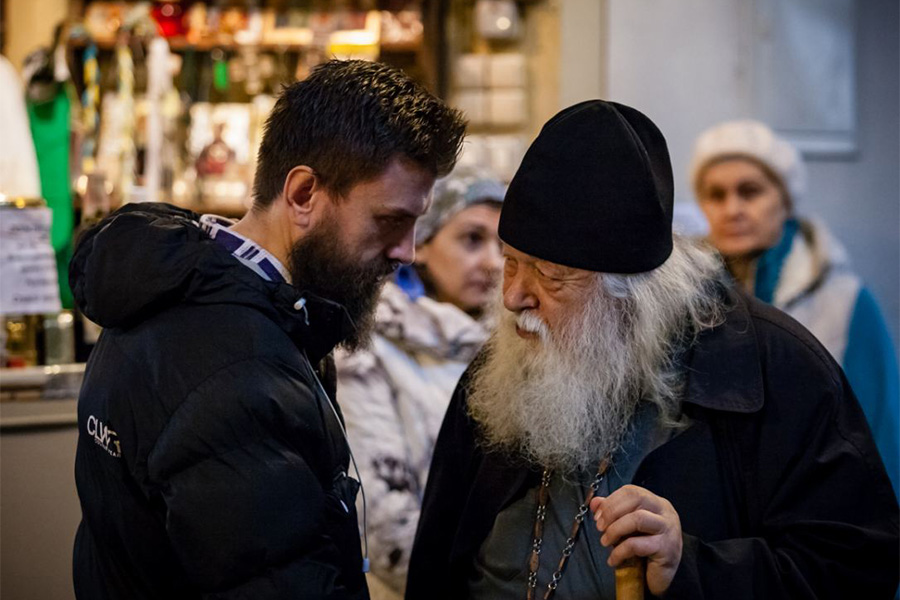
What to Seek in Communication with a Mentor? On Pseudo-spiritual Fatherhood
In the writings of Saints Barsanuphius and John, we find a priceless teaching: true spiritual children, while holding fast to faith in their father, “look to the end of the matter—to the glory of God revealed in them” (Answer 379). In other words, the purpose of engaging with a spiritual mentor should be spiritual growth. Seen in this light, surrendering one’s own will for the sake of God’s will is itself a blessing.
Yet, time and again, people seek something far less from their spiritual fathers: emotional comfort, moral support, or practical advice. They desire blessings—but in what sense? Ideally, they would seek to discern God’s will for their lives, praying, “Lord, if my plans please You, help me; if I’m mistaken, thwart my intentions.” Instead, they often want a divine endorsement of their own desires.
Consider a young man preparing to apply to college: “Father, should I enroll in the Fishery Institute or the Higher School of Economics?” He hopes the priest’s answer will secure his admission. If he fails to get in anywhere, he might blame the priest for lacking spirituality—or even question God’s existence. When parishioners pose such questions to their spiritual fathers, they’re typically seeking solutions to life’s challenges, not the salvation of their souls. There’s nothing inherently wrong with that, but let’s not call it spiritual fatherhood. The trouble is, not only the spiritual children but many priests fail to grasp this distinction.
What results is a kind of fervent pseudo-spiritual life: lengthy “confessions” that are really just heart-to-heart talks, and “obedience” that’s actually self-will dressed up as a blessing. Rather than cling to such false spirituality, it’s better to honestly go without a spiritual father if God hasn’t sent one—or hasn’t yet.
And how many of us priests are truly prepared to be spiritual fathers, not just in title but in essence? The longing to be regarded as a spiritual guide can become an addiction, akin to an actor’s craving for applause. I once knew a young priest who bragged about having 500 spiritual children. When asked how he managed so many, he replied that whenever someone came to him for confession for the first time, he’d immediately claim them as his spiritual child and insist they confess only to him thereafter. Such conduct is, of course, entirely unacceptable.
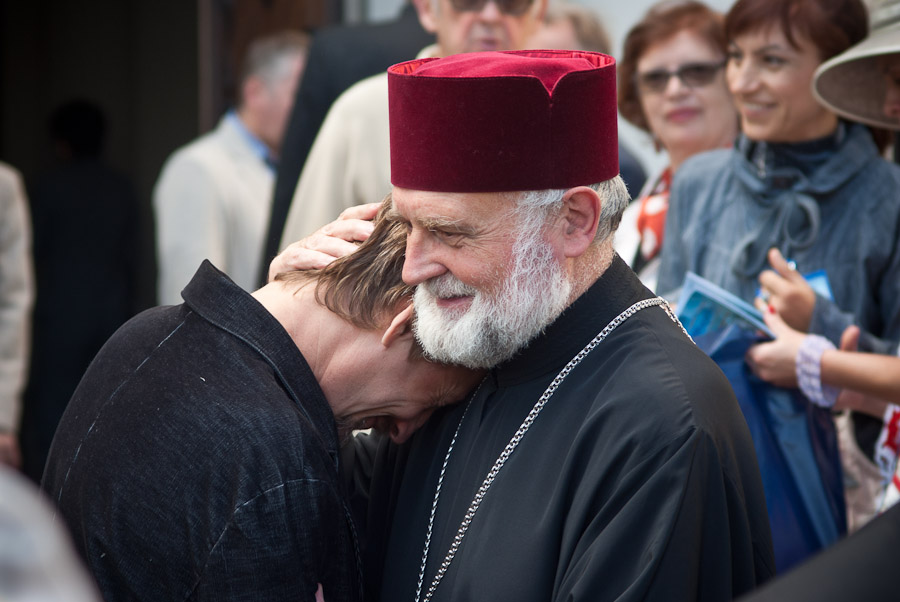
On the Unwise Jealousy of Fathers
Jealousy toward spiritual children springs from our vanity—and who among us is wholly free of it? Imagine this: two priests are hearing confessions. No one is left in my line, but eight people are waiting for the other priest. I gesture—“Come to me!”—but they stay put. It stings; I feel unappreciated. Or reverse it: eight people are lined up for me, and no one approaches him. That flatters my sense of importance. If a priest recognizes this vanity and genuinely repents, it’s not perfect, but it’s something—not an A, but at least a C.
But if a priest fails to see his vanity and instead rationalizes it, his hypocrisy will taint his spiritual children. On the surface, all may seem proper—I might tell people it’s wiser to stick with one priest to avoid conflicting advice, while secretly meaning they should stick with me.
Parishioners can sense a priest’s displeasure when they switch confessors. He may say nothing and show no sign, but hearts speak to hearts. I’ve often heard people say, “I used to go to one priest, but I wanted to try another—only it felt awkward, like I’d offend him.” That “awkwardness” has no place here.
When choosing a spiritual father, a parishioner shouldn’t worry about sparing the priest’s feelings. We don’t agonize over this when selecting a doctor. If I’m ill and know Dr. A will be upset if I consult Dr. B, but trusted sources say B is more skilled and better suited to my condition, I’ll choose B because I want to heal. Eternal salvation is no less critical than physical health, so when seeking a spiritual mentor—or even a one-time advisor—you should focus on what benefits your soul most. The priest, as a Christian, must confront his own vanity.
When receiving the Holy Mysteries or being anointed with oil, the priest’s personality matters little. But if you need guidance, even just once, turn to someone you trust, someone from whom you hope to receive counsel that will save your soul. Choosing a spiritual father—a guide on the path to salvation—demands even greater care.
Translated by OCC Team
Related Articles

Related Products
- $575.00Comment(s)




Close
- Someone purchased a
Lestovka Prayer Rope 50 Segments
7 hours ago from Oceanside, USAs low as $23.00 - Someone purchased a
Horologion (The Book of Hours) in Church Slavonic
8 hours ago from New Egypt, US$17.00 - Someone purchased a
Small Gold-Plated Pectoral Cross w/Chain
1 hour ago from Saint Joseph, US$250.00 - Someone purchased a
Medium Triptych with Our Lady of Kazan Icon
7 hours ago from Oceanside, US$16.00