This website uses cookies to ensure you get the best experience on our website. Read more

Marriage or Monastery? Helping the Young Test Their Vocation
 10Feb
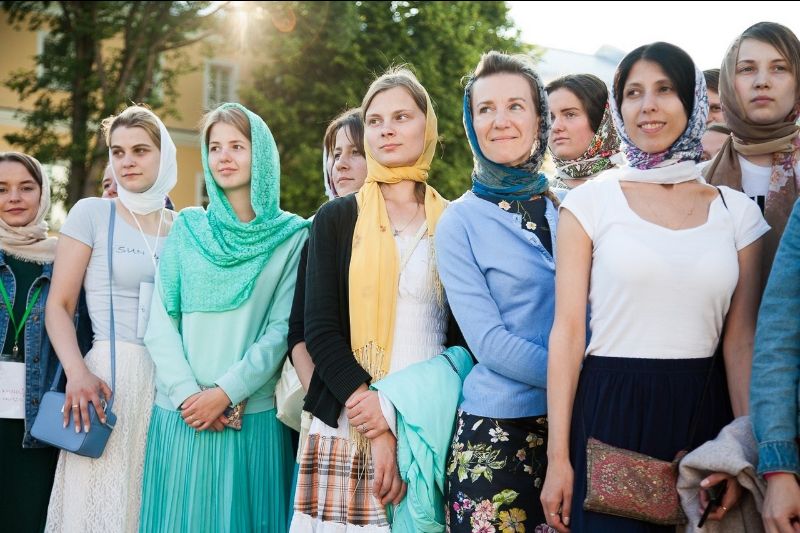
10FebIn this issue, we turn to a question that often arises in parish ministry: a young man or woman begins to reflect on their future and comes to the priest seeking guidance. Should they set out on the path of family life, enter a monastery, or pursue monasticism while remaining in the world?
How can a priest help a spiritual child make the right choice, and how can one discern God’s will for each person’s path?
On God’s Will and the Role of the Priest
Experienced pastors agree that to discern God’s will with certainty, and to bless someone for either monastic life or marriage, is a gift given only to saints and elders. The ordinary priest does not possess such authority.
What he can do is support his spiritual child with counsel, prayer, and sincere participation in their search for the right path.
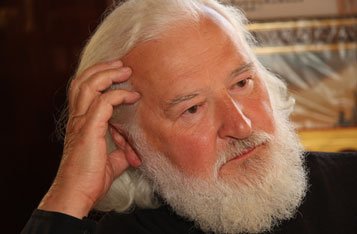 Archpriest Vladimir Vorobyev (Moscow):
“How can one know the will of God? This is the central question, and no one can give a simple, unambiguous answer.
Once, a holy elder told me: ‘The will of God is not like a prosphora you simply take from a shelf and eat.’
The will of God is revealed in the heart of one who has purified himself of the passions and lives a life of great spiritual struggle. Such people we call elders.
That is why people often seek a blessing from an elder when faced with questions of this kind—whether to marry or to embrace monasticism—expecting to hear a clear answer: ‘God’s will is for you to marry.’ And that settles the matter. Yet such elders have always been few, and today they are even fewer. It would be a grave mistake and temptation for one who is not an elder to present himself as such.
An ordinary confessor, an ordinary priest, does not have this gift, and therefore he cannot presume to say: ‘This is your path, and that is yours.’
Still, we must seek God’s will. How? By prayer—by begging the Lord Himself to reveal the way. And He often does so in various ways, sometimes by allowing a person to set foot tentatively on one path or another.”
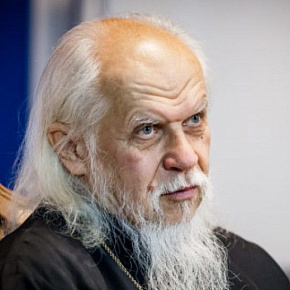 Bishop Panteleimon (Shatov):
“It is a great blessing when there is an elder through whom God reveals His will. But if that is not possible, I believe the priest should frankly say that he does not know what God’s will is.
What he can do, however, is help the young and inexperienced person examine the motives of their heart, their inner disposition, and offer practical recommendations, drawing on common sense and pastoral experience—helping them to act in a way that does not cause harm.”
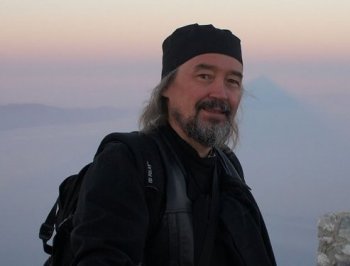 Archpriest Andrey Spiridonov:
“The priest must not rush, but proceed with great caution. He should not rely on his personal impressions or opinions, but pray that the Lord Himself may reveal His will—perhaps through the natural and gradual unfolding of events, from which it will become clear that the spiritual child is indeed walking firmly toward Christ, and that the monastic way of life will be for them both salvation and spiritual joy.”
A Decision Must Be Independent and Tested
The priest’s task is to help the spiritual child examine themselves, distinguishing passing moods or false motives—such as romantic notions, discouragement from life’s hardships, or the desire to prove something to others—from the deep and unrelenting pull to belong wholly to God.
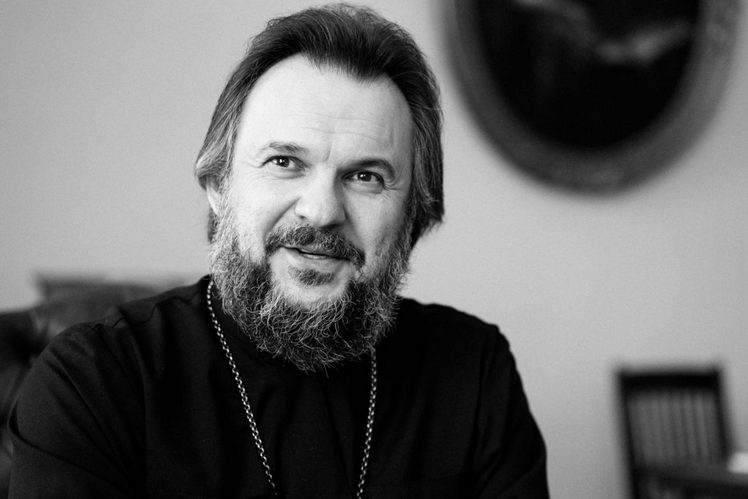 Metropolitan Amvrosy (Yermakov, Tver):
“Why has God given each person a mind? A man must make his own decision. Perhaps that decision will not be the right one—but then he will learn by experience. If one path proves unsuitable, let him consider another, and continue to test himself.
Of course, once a person has entered into marriage, there is no further ‘testing.’ That commitment is once and for all. But becoming a novice in a monastery is different: one can try it for a time.”
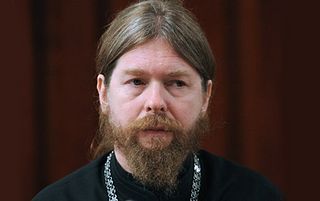 Metropolitan Tikhon (Shevkunov):
“When a person discovers monastic life for himself—amazed at it, since it runs contrary to nature—yet feels an irresistible pull to be with God alone, this is a sign to take notice.
Such people are few. They must be given ample time to test themselves, and complete freedom within the boundaries of the Gospel commandments.
And if, in time, a person can say with conviction: ‘Yes, this is my choice. For me, the most important thing is to be wholly with God, offering myself entirely to Him,’—then he may be received as a novice.”
Archpriest Andrey Spiridonov:
“In seeking the truth of God, sudden impulses and exalted moods have little place. Nor should one enter a monastery simply because marriage has not presented itself. What is needed is a firm and deliberate resolve for another kind of life, a decision for a path of genuine self-denial.”
The Need for First-hand Monastic Experience
A decisive step toward monastic life should be preceded by lived experience within the monastery itself.
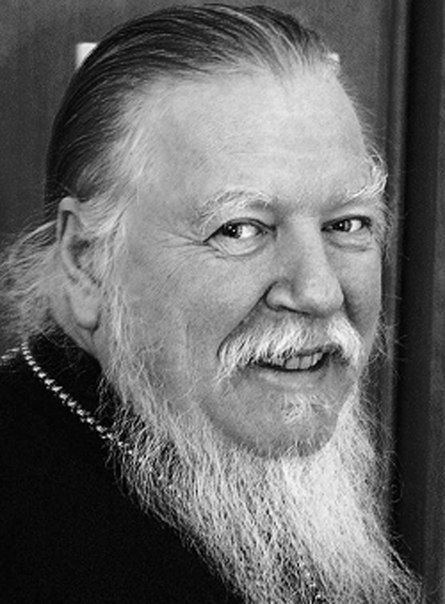 Archpriest Dimitry Smirnov (†21 October 2020):
“My usual advice is this: go to a monastery first for two days, then for a week, then for a month, perhaps during your holiday, and later for several months. Only then, after speaking with the local spiritual father and, if possible, with the abbot or abbess, should you consider making a decision.”
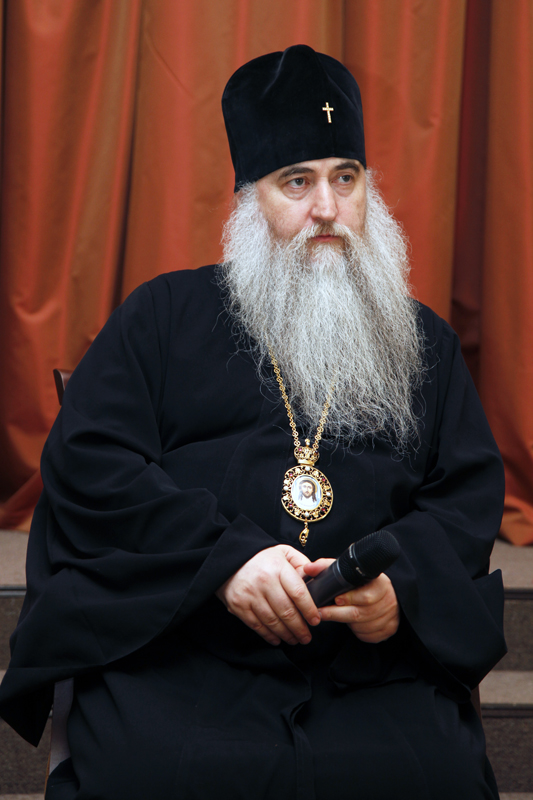 Metropolitan Longin (Korchagin):
“If a person reads ascetical literature and is drawn to the monastic ideal, it is good to recommend visits to a nearby monastery—attending services and feast days, helping the brethren or sisters.
In Soviet times, when only a few monasteries remained—such as Pühtitsa or the Pokrovsky Monastery in Kiev—women would travel there from all over the Union. They would spend their annual leave in the monastery, sometimes year after year for ten or twelve years. They would close their flat, put on a black dress and headscarf, and take part in all the labours: turning hay, working in the gardens, cleaning the church, helping in the kitchen.
In this way they experienced monastic life not in its lofty, spiritual aspect, but in its plain, demanding reality—where there is constant labour, including physical toil. Yet they longed for it as for paradise. The time spent there, despite the hardships, remained for them the most cherished period of the year. And at the first opportunity, even for a few free days, they would drop everything and return to the monastery.
If a person feels such a pull, it is a clear sign that this is their path.
Family life, by contrast, is usually much more obvious: if one has an inclination toward it, one will not remain alone for long.”
Potential Signs of Inclination Toward Monasticism
Certain traits may indicate that a person is drawn to the monastic path.
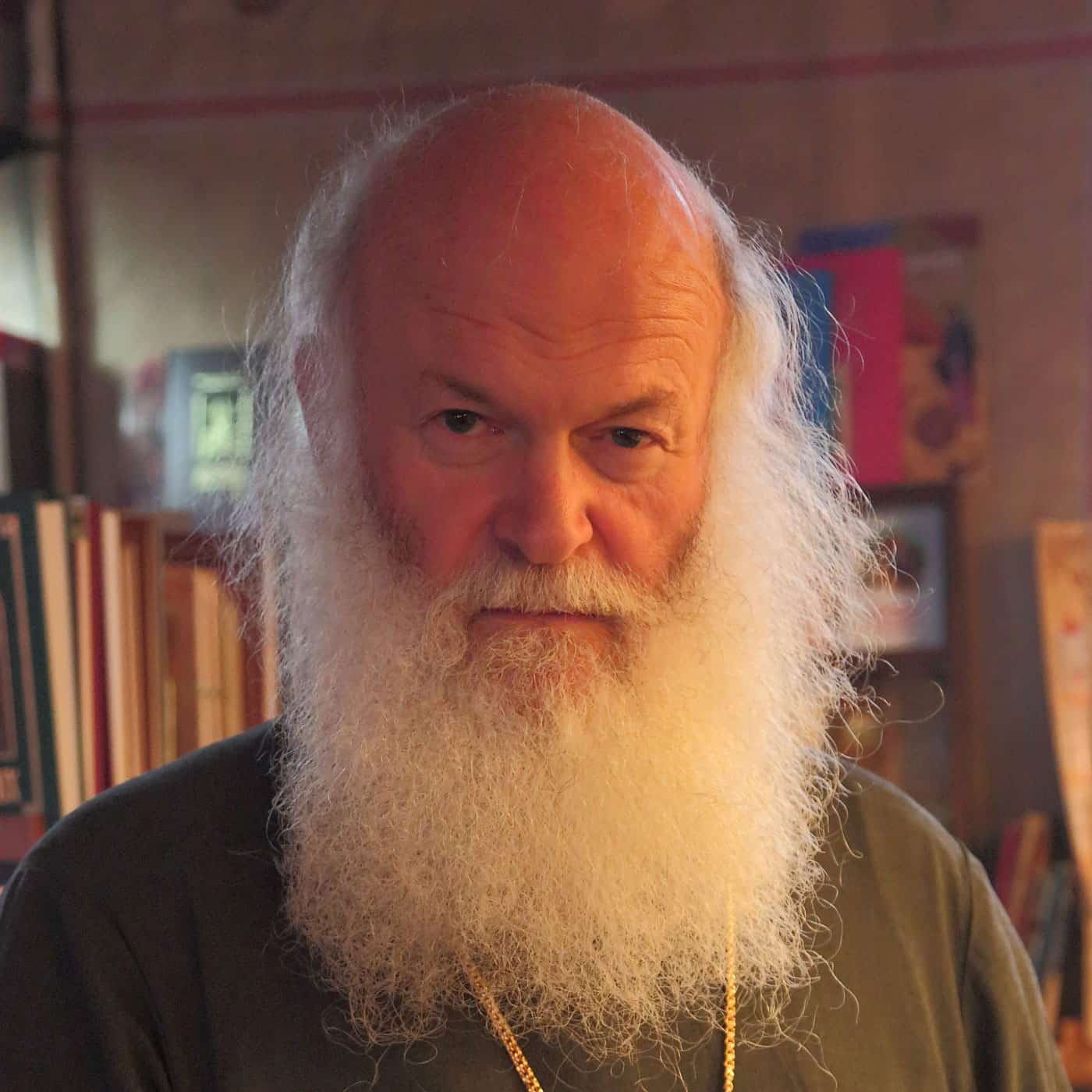 Archpriest Konstantin Ostrovsky:
“Some people are naturally well-suited to monastic life: to its order, its way of relationships, its modest and austere daily rhythm, and its long services. For such a person, if he desires to become a monk, it is worth making the attempt.
In our parish there was a young woman who even found herself a spiritual guide—a schema-nun—and fell in love with the monastic way of life with all her heart. It carried her off to the monastery as soon as she had finished school. She has now been a nun for many years.”
Bishop Panteleimon (Shatov):
“It is by no means necessary that such a person be passive, quiet, or withdrawn. Often those who go to the monastery are lively, joyful, talented, and capable.
But a person aspiring to monastic life must also be chaste, or at least engaged in a genuine struggle against the passion of lust if it troubles them. The future monk should not be concerned with fame, money, or self-interest—he must be free of greed. Nor should he care for outward appearances or luxury.
The essential question is this: does he love prayer? Does he regard prayer as the central work of his life? This is of the greatest importance.
Moreover, life in the monastery necessarily involves obedience. One must be able to accept direction. For monastic life, a person must have a true vocation.”
We hope that the reflections gathered in this issue will be of benefit in your pastoral labours. As always, your questions and comments are warmly welcomed.
With prayerful love,
Your OCC Team
Related Articles
Related Products
- $1,040.00As low as $328.00Comment(s)
Close
- Someone purchased a
Lestovka Prayer Rope 50 Segments
7 hours ago from Oceanside, USAs low as $23.00 - Someone purchased a
Horologion (The Book of Hours) in Church Slavonic
8 hours ago from New Egypt, US$17.00 - Someone purchased a
Small Gold-Plated Pectoral Cross w/Chain
1 hour ago from Saint Joseph, US$250.00 - Someone purchased a
Medium Triptych with Our Lady of Kazan Icon
7 hours ago from Oceanside, US$16.00