This website uses cookies to ensure you get the best experience on our website. Read more

From Chains to Wings: How Rules Nurture Spiritual Freedom
 10Oct
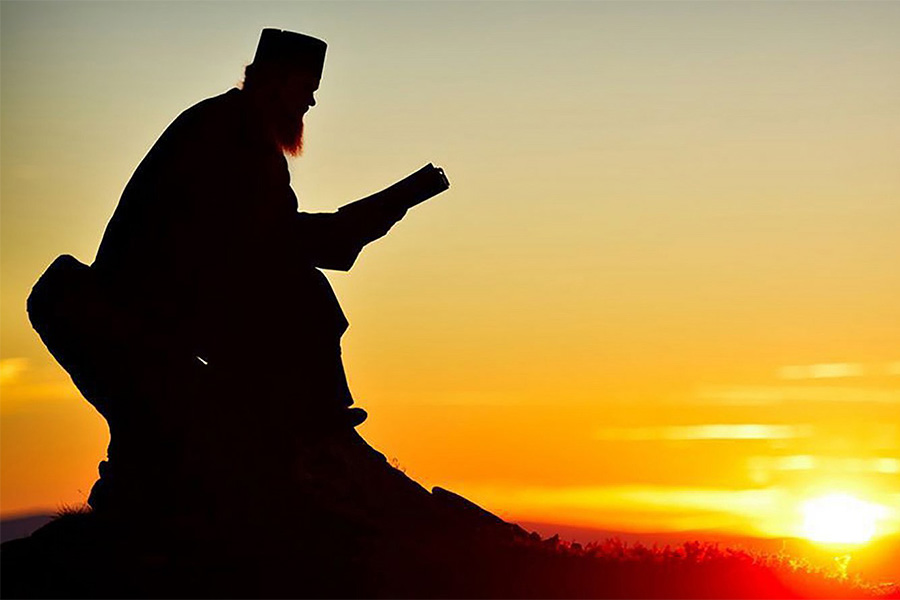
10OctToday, we joyfully share another chapter from Archpriest Konstantin Ostrovsky’s Notes on Pastoral Ministry—this time addressing a challenge familiar to every priest: how to balance the relentless demands of parish life with the quiet discipline of personal prayer.
Father Konstantin, a seasoned spiritual guide in the Moscow Diocese, offers wisdom forged in decades of service. His reflections—rooted in the Church’s ascetic tradition—invite us to rediscover prayer rules not as burdens, but as lifelines.
Whether you’re newly ordained or a veteran shepherd, may this text renew your zeal for the "good yoke" (Matt. 11:30) of priestly life.
As St. John Chrysostom reminds us: “Prayer is the light of the soul, the link binding earth to heaven.” May this light guide your labors!
With love in Christ,
The OCC Team
The Transformative Power of Prayer Rules
Prayer rules and Church disciplines are indispensable in spiritual warfare—yet become chains when approached legalistically. Viewed as a “tax” owed to God, with eternal penalties for non-payment, they cripple rather than heal. This distortion breeds a cycle of despair:
- When we fail, we lacerate ourselves with guilt.
- When we strive, we collapse under self-reliance.
- When we “succeed”, we smugly tally merits before Heaven.
Even the plea “I did it with God’s help” rings hollow if the heart whispers: “But I’m the one who pleased Him!” Here, pride poisons obedience, reducing prayer to a mechanical ritual. Years of such loveless ascesis yield not holiness, but hollow exhaustion.
The legalistic approach distorts the very essence of God's commandments and church regulations. Instead of being guiding stars, they become heavy fetters in our minds, which only shackle and oppress us. But can we enter the Kingdom of Love by simply "dragging ourselves along on duty" and barely dodging obvious falls?
The trouble is not in the commandments - they are true, not in the rules - they are wise, but in our petrified heart, which replaces a living communion with God by a soulless fulfilment of prescriptions.
Commandments are not chains, but wings for the soul
The Lord did not give the commandments to enslave us, but as a favour: they show us where to go, what to beware of, what to keep our hearts focused on. They are a spiritual compass, helping the soul to grow "to the measure of the stature of Christ" (Eph. 4:13), to be freed from passions, and to open to the grace of the Holy Spirit.
Church rules are not a burden, but a remedy. It is like a light that illuminates the invisible fetters that our soul is entangled with: envy, pride, laziness. "The law is not made for a righteous one" (1 Tim. 1:9), - reminds the Apostle, and St. Theophanes the Recluse explains: "he who abides in the Spirit does not need external statutes - he is led by grace. But we, who have not yet been healed of passions, need rules. By humbling ourselves before them, as before the will of God, we voluntarily bow our neck - and it is through this humility that true freedom begins".
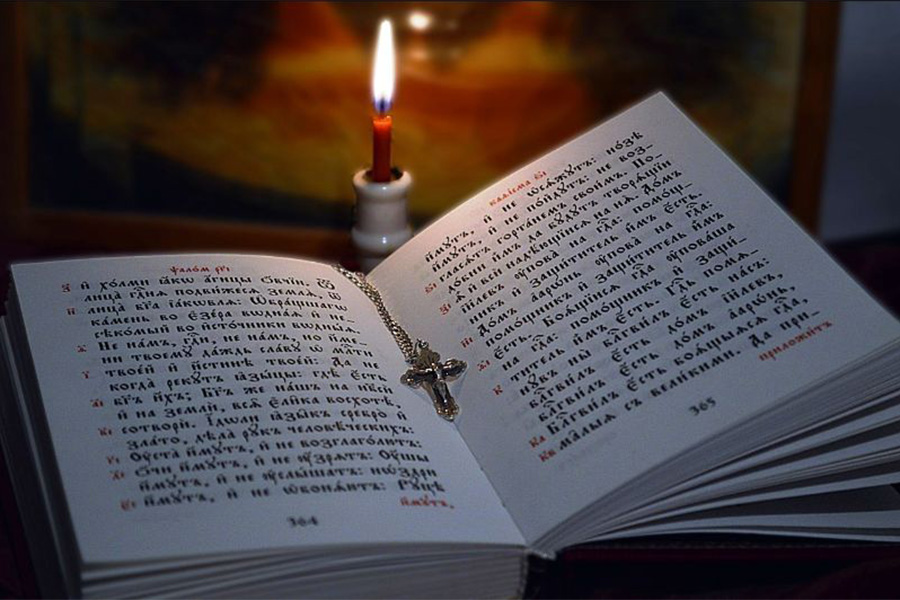
The Gift of Discipline: Embracing Our Measure
Thus, we ought to regard the Church’s rules not as burdens, but as gifts from God, received with joy and gratitude. True, this gift may sometimes exceed our capacity—but that is no cause for despair. Let us embrace what we can carry.
One person may fulfill every rule with exacting rigor—let them thank God for such strength. Another may manage less—let them, too, offer gratitude. For not all are called to the same measure of ascetic labor; to some, God grants greater endurance, to others, less. Our task is to humbly accept the portion entrusted to us, without envy toward those blessed, say, with stricter fasting.
All people—saints and sinners, laity and clergy—are uniquely fashioned. Even those of similar spiritual maturity may differ profoundly in temperament. For one soul, prayer with books and beads from dawn till dusk becomes a lifeline; without such structure, they risk despondency and spiritual harm.
Yet another, weighed down by an overly demanding rule, may grow disheartened and cease to pray altogether. But if given a manageable discipline—even one others might deem insufficient—they will pray beyond its bounds when grace allows, keeping pace in spirit with those of stricter observance.
Consider the Venerable Seraphim of Sarov, who founded two monasteries: one for widows, another for maidens. He discerned that maidens, being younger, thrived in obedience, while widows, tempered by life’s trials, possessed greater fortitude for ascetic rigor.
Thus, the rules for the widows’ community were far stricter. This mirrors a timeless truth: spiritual guidelines must be tailored to the strength of the soul, not imposed uniformly.
The Sustenance of Sacred Rule: Habits in Times of Trial
For a priest, steadfast adherence to personal spiritual disciplines—especially prayer—becomes a lifeline amid life’s upheavals. Yet not all habits bear equal fruit. Consider two contrasting examples:
---
An elderly priest once confided that when traveling on feast days, he attends church in secular attire but refrains from Communion. While pious in other respects, this habit strikes me as spiritually perilous. What if, clinging to such a custom, he were suddenly unable to serve for half a year?
---
Another priest, compelled by illness to retire temporarily outside his diocese, found strength in three lifelong habits:
1️⃣ He never missed Sunday or festal services—Vigil and Liturgy—as a non-negotiable rhythm of his vocation.
2️⃣ His daily rule (its specifics matter less than its consistency) remained inviolable, a covenant with God.
3️⃣ Daily immersion in the Word, echoing the bishop’s charge at his ordination: “You shall read the Divine Scriptures each day.” This mandate, given to all clergy, loses none of its force with time.
During his convalescence, he attended services as usual, prayed in the altar, communed regularly, and maintained his rule at home. When health permitted, he seamlessly resumed parish ministry.
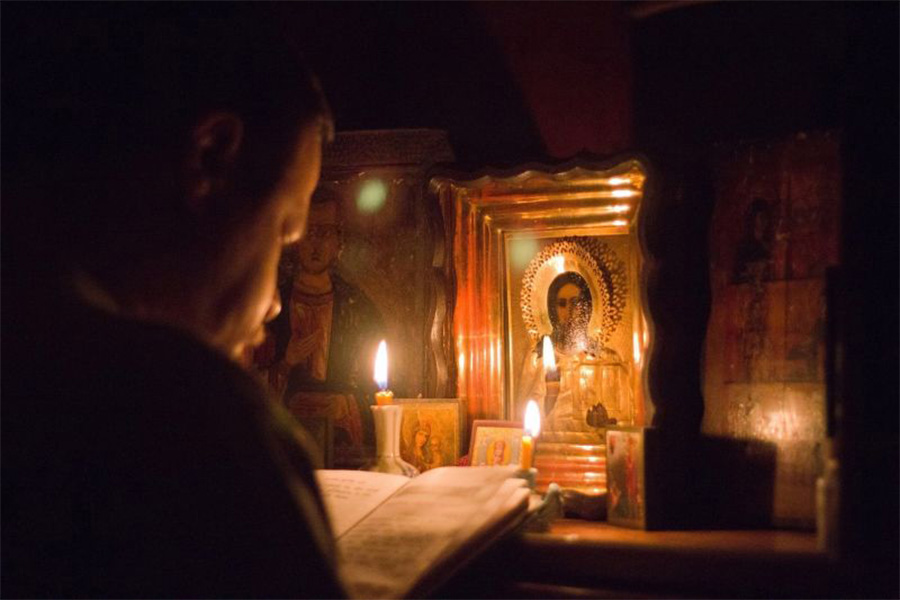
The Fruit of Faithfulness
This priest’s experience illuminates the transformative power of sacred rhythms:
- Home Prayer: A reasonably ordered rule guards against spiritual paralysis.
- Holy Communion: Reverent, frequent participation in the Mysteries sustains the soul’s vigor.
Such habits, forged in ordinary times, become lifelines in crisis—not by their strictness, but by their roots in love and obedience.
Books and Prayer Beads: Tools or Crutches?
The Church’s saints offer varied guidance on prayer rules—for priests and laity alike—reflecting their own diverse practices. St. Theophan the Recluse, for instance, urged a gradual shift from written prayers to the Jesus Prayer (spoken or silent), while others steadfastly upheld liturgical recitations. Even their counsel on prayer ropes differed. Yet beneath this diversity lies a unifying principle: the ultimate aim is the unceasing prayer of the heart.
The Path to Inner Prayer: From Form to Fire
Abandoning written prayers and prayer ropes is permissible only when one—priest or layperson—attains unceasing prayer of the heart (сердечная молитва). Here, the “rule” becomes the ceaseless cry of the soul to God, and every distraction from this inward focus calls for repentance.
Without such heartfelt prayer, structured prayers (whether from books or beads) remain essential—not as legalistic obligations, but as medicine for the soul’s growth. Notably, even the great hesychast fathers, masters of inner prayer, never discarded their external rules.
Christ’s Prayer: A Mystery of Divine-Human Synergy
The Gospels repeatedly witness Christ at prayer—as in Mark’s account: “Rising very early in the morning, while it was still dark, He departed to a desolate place, and there He prayed” (Mk. 1:35). Why would the God-Man, perfect in divinity, pray?
The answer lies in the mystery of His two natures: as Man, He voluntarily embraced human frailty, sanctifying our need for prayer. If even Christ, in His humanity, sought strength through communion with the Father, how much more must we, burdened by sin, cling to this holy work?
To be continued...
Related Articles
- Should Silent Prayers Be Read Aloud?
 May 20
 - When Priests Miss the Prayer Rule Before the Liturgy
 Sep 20
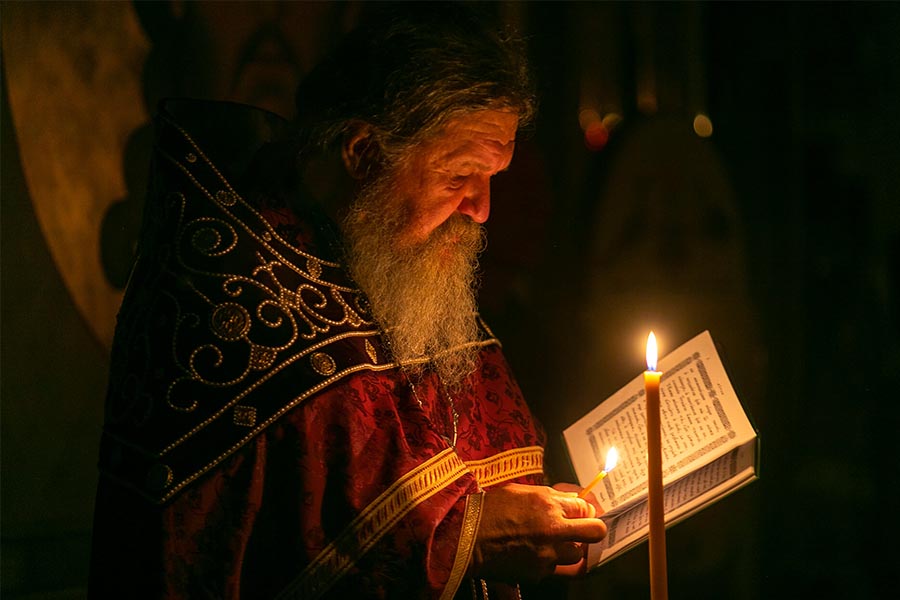
 - Prayer Life of a Cleric in Quotes of Russian Bishops and Priests
 Sep 30
 - Advice on Prayer, Preaching, and Pastoral Vocation
 Jul 30
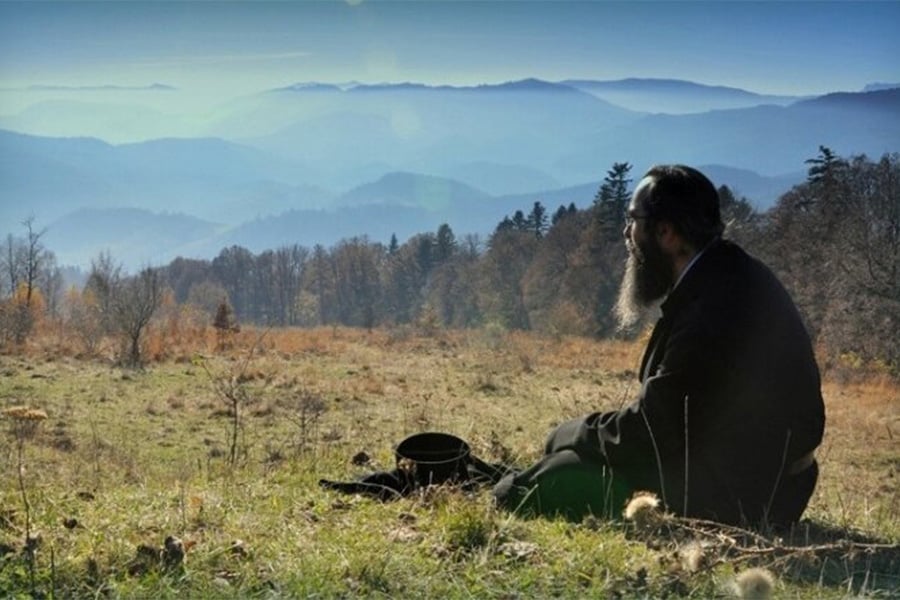
 - No One is Worthy? Reflections on the Priest’s Call to Prayer
 Aug 10
Related Products
- $8.00Out of stockComment(s)

Close
- Someone purchased a
Lestovka Prayer Rope 50 Segments
7 hours ago from Oceanside, USAs low as $23.00 - Someone purchased a
Horologion (The Book of Hours) in Church Slavonic
8 hours ago from New Egypt, US$17.00 - Someone purchased a
Small Gold-Plated Pectoral Cross w/Chain
1 hour ago from Saint Joseph, US$250.00 - Someone purchased a
Medium Triptych with Our Lady of Kazan Icon
7 hours ago from Oceanside, US$16.00